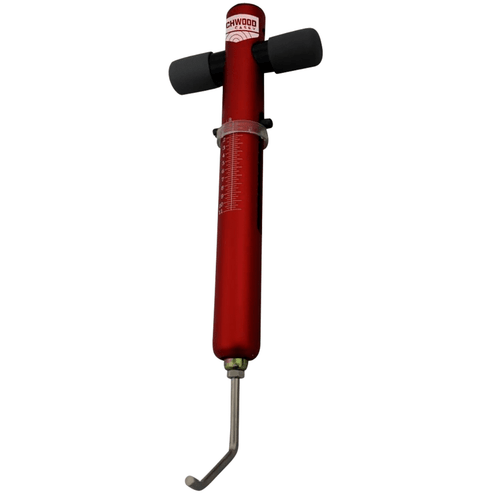
Elevate Your Shooting Performance and Safety with the Wheeler Engineering Trigger Pull Scale
For every dedicated firearms enthusiast, competitive shooter, or meticulous gunsmith, understanding and optimizing the trigger pull of a firearm is paramount. The trigger, often considered the most intimate interface between shooter and machine, directly influences accuracy, consistency, and, most importantly, safety. An inconsistent or excessively heavy/light trigger can lead to flinching, missed shots, and even accidental discharges. This is precisely where a precision tool like the the Wheeler Engineering Trigger Pull Scale becomes an indispensable asset, providing objective, repeatable measurements essential for fine-tuning your firearms.
Why is Trigger Pull Measurement So Critical?
The weight of a firearm's trigger pull, measured in ounces or pounds, refers to the force required to activate the firing mechanism. This seemingly minor detail has profound implications for a shooter's performance and the safe operation of any firearm.
- Enhancing Accuracy: A smooth, consistent trigger pull, free from creep or excessive grit, minimizes the disruption of your aiming sight picture. When you know precisely how much pressure is needed, you can press the trigger straight back without disturbing the muzzle, leading to tighter groupings and improved shot placement. In contrast, a heavy or inconsistent pull can cause a shooter to "milk" or "flinch" the shot, pulling the firearm off target.
- Improving Consistency: For competitive shooters, consistency is king. Knowing and maintaining a specific trigger pull weight across different firearms, or even within the same firearm over time, helps build muscle memory and reduces variables that can impact performance under pressure.
- Ensuring Safety: This is perhaps the most vital aspect. An overly light trigger, especially on a self-defense or hunting firearm, increases the risk of an unintentional discharge. Conversely, an excessively heavy trigger can lead to over-gripping or "jerking" the trigger, which compromises control and accuracy. Regular measurement ensures your firearm's trigger falls within safe and practical parameters, especially after modifications or prolonged use. Many manufacturers specify a minimum trigger pull weight for safety, and checking this is a critical part of firearm maintenance.
- Optimizing for Specific Applications: A sniper rifle might benefit from an extremely light, crisp trigger for ultimate precision, while a tactical shotgun used in dynamic environments might require a slightly heavier pull to prevent accidental discharges during high-stress maneuvers. The ability to accurately measure and adjust allows you to tailor your firearm to its intended purpose.
- Troubleshooting and Diagnostics: If you're experiencing unexplained fliers or accuracy issues, the trigger pull could be a contributing factor. A trigger pull scale helps diagnose issues by providing objective data, rather than relying on subjective "feel."
The Wheeler Engineering Trigger Pull Scale: A Closer Look at its Capabilities
The Wheeler Engineering Trigger Pull Scale is renowned for its straightforward design, reliability, and accuracy, making it a favorite among both seasoned gunsmiths and hobbyists. It simplifies what could otherwise be a complex measurement, empowering users to make informed adjustments to their firearms.
Key Features and What They Mean for You:
- Accurately Measures Trigger Pull Weight: At its core, this tool delivers precise measurements. This isn't just a subjective "feel" – it's a verifiable number that allows for objective assessment and comparison. Accuracy is paramount when dealing with firearms, and this scale delivers a reliable metric.
- Easy to Read Sliding Indicator: The intuitive sliding indicator immediately locks at the peak pull weight, allowing for quick and unambiguous readings. There's no guesswork involved, which reduces the chance of error and speeds up your workflow. This feature is particularly helpful for busy gunsmiths or when making multiple adjustments.
- Broad Weight Range: Eight Ounces to Eight Pounds (in Two Ounce Increments): This extensive range accommodates nearly every type of firearm, from light competition triggers on precision rifles (down to 8 ounces) to heavier factory triggers on many pistols, rifles, and shotguns (up to 8 pounds). The two-ounce increments provide sufficient granularity for precise adjustments without being overly complex. Whether you're working on a rimfire plinker or a magnum hunting rifle, this scale has you covered.
- Molded Plastic Construction: This durable yet lightweight construction ensures the tool can withstand regular use in a workshop or at the range. It’s resistant to corrosion and easy to clean, promising long-term reliability. Its light weight also makes it highly portable, easily fitting into a range bag or toolbox.
- Ergonomically Shaped Handle for Consistent Direction of Pull: A critical detail for repeatable measurements. The ergonomic design promotes a consistent, straight-line pull, minimizing lateral force that could skew readings. This ensures that each measurement is taken under similar conditions, leading to more reliable data.
- Accuracy to +/- 2 Ounces: For most practical applications in firearm tuning and safety checks, an accuracy of plus or minus two ounces is more than sufficient. This level of precision allows for effective comparison and adjustment, meeting the demands of even meticulous users.
Real-World Applications: Who Benefits Most from This Tool?
The Wheeler Engineering Trigger Pull Scale addresses a wide array of needs for different individuals within the firearms community.
For the Gunsmith and Armorer:
- Post-Repair and Modification Verification: After a trigger job, spring replacement, or any internal modification, this scale is crucial for verifying that the new trigger pull weight meets safety standards and client specifications.
- Quality Control: For those who build or customize firearms, it's an essential tool for ensuring consistent trigger pull across all builds, upholding a high standard of craftsmanship.
- Client Consultation: Being able to show a client the exact trigger pull weight before and after work adds a layer of professionalism and transparency.
For the Competitive Shooter:
- Optimizing for Performance: Competitive disciplines often have rules regarding minimum trigger pull weight. This scale helps shooters optimize their trigger within legal limits for maximum advantage, reducing felt recoil and allowing for faster follow-up shots.
- Pre-Match Checks: A quick check before a major competition can confirm that environmental changes or minor wear haven't altered your finely tuned trigger.
- Load Development: As you develop optimal handloads, adjusting trigger pull can be another variable to fine-tune for peak accuracy with specific ammunition.
For the Home Gun Enthusiast and Responsible Firearm Owner:
- Safety Assurance: Regularly checking the trigger pull on all personal firearms, especially those used for self-defense or carried concealed, is a responsible safety practice. It helps identify issues before they become dangerous.
- Evaluating New Firearms: When acquiring a new firearm, measuring its factory trigger pull provides a baseline for future comparison and helps you understand its characteristics.
- DIY Customization: If you're undertaking minor trigger enhancements yourself (e.g., polishing, spring changes), this scale is indispensable for tracking your progress and ensuring safe operation.
- Preventive Maintenance: Just like checking your car's oil, regularly measuring your trigger pull is a simple preventive maintenance step that contributes to the longevity and safe function of your firearms.
How to Use the Wheeler Engineering Trigger Pull Scale for Best Results
Achieving accurate and repeatable measurements is straightforward with the Wheeler Engineering Trigger Pull Scale. Follow these simple steps for optimal use:
- Ensure Safety: ALWAYS ensure the firearm is unloaded and safe. Double-check the chamber and magazine well. Remove all ammunition from the work area. Engage the safety mechanism if applicable.
- Position the Firearm: Secure the firearm in a vice or rest it stably on a flat surface, ensuring it won't move during the measurement. The trigger guard should be easily accessible.
- Position the Scale: Hook the trigger pull scale onto the trigger at the center of the trigger shoe. Ensure the scale is perpendicular to the trigger face, pulling straight back along the bore axis. Avoid applying force at an angle, as this can lead to inaccurate readings.
- Apply Force Smoothly: Slowly and steadily pull the scale directly backward, increasing tension until the trigger breaks. Do not jerk or snatch the scale. The goal is a smooth, continuous pull.
- Read the Measurement: The sliding indicator will stop at the peak force required to break the trigger. Note this reading.
- Reset and Repeat: Gently push the sliding indicator back to zero. Repeat the measurement at least three to five times to ensure consistency. Average the readings for the most accurate result. If there's a significant variance between readings, investigate potential causes (inconsistent pull, internal trigger issues) and repeat until consistent.
Tips for Consistent Measurements:
- Consistent Angle: Always try to pull the scale at the same angle, ideally parallel to the bore.
- Smooth Pull: Avoid jerking. A slow, steady increase in pressure yields the most accurate results.
- Center of Trigger: Hooking the scale at the center of the trigger shoe ensures an even distribution of force.
- Firearm Stability: A secure firearm prevents movement that could affect readings.
- Dry Fire Practice: After measuring, you might want to dry fire a few times to settle components, then re-measure, especially after adjustments.
Beyond the Tool: Understanding Trigger Mechanics and Safety Standards
While the Wheeler Engineering Trigger Pull Scale provides the objective data, understanding the broader context of trigger mechanics and safety standards enhances its utility.
- Creep vs. Overtravel: The scale measures the breaking point, but a good trigger also minimizes "creep" (unwanted movement before the break) and "overtravel" (unwanted movement after the break). While the scale doesn't directly measure these, consistent measurements help identify the overall quality of the trigger pull.
- Reset: The trigger's reset is how far it must travel forward after firing before it can be pulled again. A short, positive reset is desirable for rapid follow-up shots.
- Safety Standards: While there's no single universal "safe" trigger pull weight (it varies by firearm type and intended use), many manufacturers provide specifications. For instance, many defensive handguns have factory trigger pulls in the 5-8 pound range, while some precision rifles might be sub-2 pounds. Always refer to your firearm's manual and consider its purpose when evaluating trigger pull. A general rule of thumb for defensive firearms is to avoid anything below 4-5 pounds unless you are highly experienced and trained for such a light trigger.
Why Choose Wheeler Engineering?
Wheeler Engineering is a trusted name in the firearms accessory and gunsmithing tool industry. Their products are designed by shooters for shooters, focusing on practical functionality, durability, and precision. The Trigger Pull Scale is a testament to this commitment, offering a reliable, purpose-built tool that simplifies a critical aspect of firearm maintenance and optimization. When you invest in a Wheeler Engineering product, you're investing in a piece of equipment that is designed to perform consistently and accurately, becoming a staple in your gun cleaning kit or workshop for years to come. Their reputation for quality and innovation makes them a natural choice for serious enthusiasts and professionals alike.
Frequently Asked Questions about Trigger Pull and Measurement
Q: What is a good trigger pull weight?
A: There's no single "good" weight; it depends on the firearm's intended use. Defensive handguns typically range from 5-8 lbs, while competition rifles can be under 2 lbs. Safety is paramount, so always consider the firearm's purpose and your level of training.
Q: Can a trigger pull be too light?
A: Yes, a trigger pull that is too light can be dangerous, increasing the risk of accidental discharge, especially in high-stress situations or if dropped. Always ensure your trigger pull is safe for its intended use and meets manufacturer recommendations.
Q: How often should I check my trigger pull?
A: It's a good practice to check your trigger pull:
- When you first acquire a firearm.
- After any internal modifications or repairs.
- Periodically as part of your general firearm maintenance routine.
- If you notice any change in the trigger's "feel."
- Before important competitions or hunting trips.
Q: Does trigger pull affect accuracy?
A: Absolutely. A consistent, smooth, and appropriately weighted trigger pull significantly contributes to accuracy by minimizing shooter error (like flinching or jerking) that can pull the firearm off target during the shot.
Q: Can I adjust my trigger pull myself?
A: While some basic trigger adjustments (like changing springs) can be done by knowledgeable enthusiasts, complex trigger jobs often require the expertise of a qualified gunsmith. Always exercise extreme caution and ensure you have the proper tools, like the Wheeler Engineering Trigger Pull Scale, to verify the new pull weight. If in doubt, consult a professional.
Q: What causes trigger pull to change over time?
A: Wear and tear on internal components, accumulation of fouling or debris, improper lubrication, or even changes in temperature can subtly affect trigger pull over time. Regular cleaning and lubrication, along with measurements from a reliable scale, can help maintain consistency.
The Wheeler Engineering Trigger Pull Scale is more than just a measuring device; it's a commitment to safety, precision, and performance. By providing accurate, repeatable data, it empowers every firearm owner to maintain, optimize, and safely enjoy their shooting sports. Discover this essential tool and other quality gunsmithing supplies at DEGuns.com.
Product Specifications Summary
| Feature | Detail |
|---|---|
| UPC | 661120098881 |
| SKU | 309888 |
| Manufacturer | Wheeler Engineering |
| Weight Range | 8 Ounces to 8 Pounds |
| Increments | 2 Ounce |
| Accuracy | +/- 2 Ounces |
| Construction | Molded Plastic |
| Handle | Ergonomically Shaped |
| Indicator | Easy-to-Read Sliding Indicator |