

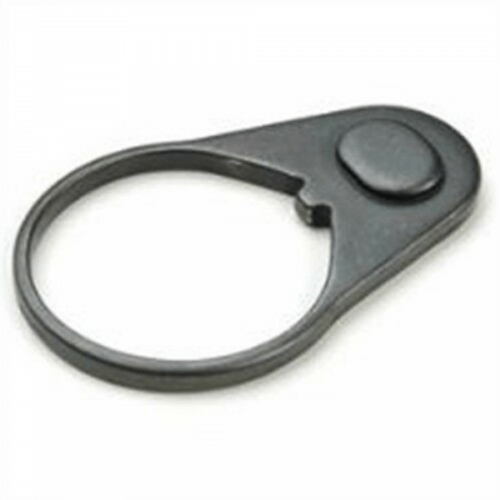
The Unsung Hero of AR-15 Stability: Why the ATI A.5.10.1010 AR-15 Locking Ring is Indispensable
For anyone embarking on the journey of building, upgrading, or maintaining an AR-15 rifle, every single component plays a pivotal role in the firearm's overall performance, reliability, and safety. While much attention is often paid to barrels, optics, and triggers, one small yet mighty part, often overlooked, is absolutely critical: the AR-15 locking ring, commonly known as a castle nut. Specifically, the ATI A.5.10.1010 AR-15 Locking Ring stands out as a foundational piece, ensuring the integrity and functionality of your weapon's buffer tube assembly.
What is an AR-15 Locking Ring (Castle Nut)?
At its core, an AR-15 locking ring is a specialized nut designed to secure the receiver extension, or "buffer tube," to the lower receiver of your AR-15. The buffer tube houses the buffer and recoil spring, which are essential for absorbing recoil and cycling the action of the rifle. Without a properly installed and secured locking ring, the buffer tube could rotate or even detach under the stress of firing, leading to catastrophic malfunctions, damage to the rifle, and potential safety hazards.
The ATI A.5.10.1010 locking ring is precisely engineered for this vital task. It features specific indentations or "notches" around its circumference that engage with corresponding teeth on an end plate (often sold separately, but essential for proper installation). These notches are designed to be "staked" into place, a process where a punch is used to deform a small portion of the end plate into the notch, permanently locking the castle nut in position and preventing it from loosening over time due to recoil or vibration.
Why is the ATI A.5.10.1010 Locking Ring an Essential Component for Your AR-15?
The importance of a high-quality castle nut like the ATI A.5.10.1010 cannot be overstated. It's not merely a "nut"; it's a structural anchor that directly impacts:
- Weapon Stability: A loose buffer tube can lead to an unstable stock, affecting your shooting stance and accuracy. The ATI locking ring ensures a rock-solid connection, providing a stable platform for consistent shot placement.
- Operational Reliability: By securely fixing the buffer tube, the locking ring ensures that the buffer and spring operate within their intended axis, promoting smooth and reliable cycling of the bolt carrier group. Any wobble or misalignment can lead to cycling issues like failures to feed, failures to eject, or short stroking.
- Longevity of Components: A properly torqued and staked castle nut minimizes stress on the buffer tube threads and the lower receiver, preventing premature wear and tear on these expensive components.
- Shooter Safety: The most critical aspect. A detached buffer tube during firing can be dangerous, potentially causing injury to the shooter or bystanders. The ATI A.5.10.1010 provides peace of mind through its robust design and secure fit.
- Compliance with Mil-Spec Standards: Many high-quality locking rings, including this ATI model, are manufactured to meet or exceed MIL-SPEC (military specification) standards, ensuring interoperability and durability under demanding conditions. This means it will seamlessly integrate with most standard AR-15 lower receivers and buffer tubes.
Key Features and Engineering of the ATI A.5.10.1010 AR-15 Locking Ring
The ATI A.5.10.1010 is not just any castle nut; it embodies Advanced Technology International's commitment to quality and performance in firearm accessories. When considering what makes a superior locking ring, key attributes of this specific model include:
- Durable Material Construction: Typically machined from high-strength steel, the ATI locking ring is built to withstand the significant forces and vibrations associated with firing an AR-15. This robust material ensures long-term reliability and resistance to deformation.
- Precision Machining: The threads and notches are cut with high precision, ensuring a perfect fit with standard buffer tubes and end plates. This precision is crucial for proper torque application and secure staking.
- Corrosion-Resistant Finish: Many such components feature a protective finish, often a black phosphate or nitride coating. This finish not only contributes to the component's discrete appearance but also provides vital protection against rust, corrosion, and wear, ensuring durability even in harsh environments.
- Universal Compatibility: Designed to integrate flawlessly with both Mil-Spec and Commercial-Spec buffer tubes, this locking ring offers broad compatibility for a wide range of AR-15 builds and configurations. This versatility makes it an excellent choice for builders and upgraders alike, eliminating concerns about fitment issues.
- Critical Staking Notches: The distinctive notches allow for the essential staking process, which permanently secures the castle nut and prevents it from backing off, even under heavy recoil or rigorous use. This feature elevates it beyond a simple threaded fastener to a true security device for your rifle's rear assembly.
Who Will Benefit Most from the ATI A.5.10.1010 Locking Ring?
This product is an absolute must-have for several groups within the firearms community:
- First-Time AR-15 Builders: If you're constructing your AR-15 lower receiver from scratch, the ATI A.5.10.1010 is an indispensable part of the buffer tube and stock assembly. It's one of the foundational components you'll need right after the lower receiver itself.
- AR-15 Owners Performing Upgrades: Upgrading your stock, buffer tube, or end plate often necessitates removing and reinstalling the castle nut. Using a new, high-quality ATI locking ring ensures the integrity of your upgraded setup.
- Maintenance Enthusiasts: For those who regularly disassemble and clean their AR-15s, or who are replacing worn-out components, having a reliable spare or replacement like the ATI A.5.10.1010 is crucial.
- Professional Gunsmiths: Gunsmiths rely on dependable, standard components for repairs and custom builds. The ATI locking ring provides that consistency and quality.
- Anyone Experiencing Stock Wobble: If your AR-15 stock feels loose or wobbly, or if your buffer tube seems to rotate, a worn or improperly torqued castle nut could be the culprit. Replacing it with a robust option like the ATI A.5.10.1010 can resolve these issues.
Installation Guide: Securing Your ATI A.5.10.1010 Locking Ring
Proper installation of the AR-15 locking ring is critical for the safety and functionality of your rifle. While it's a relatively straightforward process for anyone with basic mechanical aptitude, precision and the correct tools are key.
Tools You Will Need:
- AR-15 Lower Receiver Vise Block (highly recommended for stability)
- Bench Vise (optional, but makes things easier)
- AR-15 Armorer's Wrench / Castle Nut Wrench (specifically designed for castle nuts)
- Torque Wrench (for precise torque application)
- Nylon/Brass Hammer
- Automatic Center Punch or Standard Punch (for staking)
- Degreaser/Cleaner (e.g., rubbing alcohol)
- Threadlocker (optional, but can add an extra layer of security before staking)
Step-by-Step Installation:
- Preparation: Secure your AR-15 lower receiver in a vise using a lower receiver vise block. This prevents movement and potential damage during installation. Ensure the threads on your receiver extension (buffer tube) and lower receiver are clean and free of debris or old threadlocker.
- Attach End Plate: Slide your AR-15 receiver end plate onto the buffer tube with the correct orientation (the QD swivel socket, if present, should face towards the stock). Ensure the small tab on the end plate aligns with the detent pin hole for the rear takedown pin on the lower receiver.
- Thread the Buffer Tube: Carefully thread the buffer tube into the lower receiver. Ensure it's straight and doesn't cross-thread. Thread it in until it's hand-tight and the end of the buffer tube pushes the buffer detent pin into its hole.
- Position the End Plate: Slide the end plate down the buffer tube until its tab engages the slot on the lower receiver, ensuring the end plate is flush against the receiver. Make sure the takedown pin detent spring is captured by the end plate's tab.
- Thread the Locking Ring: Hand-thread the ATI A.5.10.1010 locking ring onto the buffer tube until it's snug against the end plate.
- Torque to Specification: Using your AR-15 armorer's wrench and torque wrench, tighten the castle nut. The recommended torque specification for an AR-15 castle nut is generally between 38-42 foot-pounds (ft-lbs). Ensure the wrench is properly engaged with the notches on the castle nut to avoid slipping.
- Expert Tip: Some experienced builders prefer to slightly over-torque to around 45-50 ft-lbs, but always follow manufacturer recommendations for both the buffer tube and the castle nut. Over-torquing can strip threads.
- Staking (Highly Recommended for Permanent Security):
- Once torqued, identify one or two of the small notches on the ATI locking ring that align with the edge of the end plate.
- Using an automatic center punch or a standard punch and hammer, gently deform the metal of the end plate into the notch on the castle nut. This creates a permanent mechanical lock, preventing the castle nut from backing out due to recoil.
- Perform this staking in at least two opposite notches for maximum security. While optional for some, staking is considered best practice for any duty-grade or serious use rifle.
Why Choose ATI for Your AR-15 Components?
Advanced Technology International (ATI) has a long-standing reputation for producing high-quality, durable, and innovative firearm accessories. When you choose the ATI A.5.10.1010 AR-15 Locking Ring, you're not just buying a nut; you're investing in:
- Proven Reliability: ATI products are known for their ruggedness and ability to perform under demanding conditions.
- Precision Engineering: Components are manufactured to tight tolerances, ensuring proper fit and function.
- Customer Trust: A brand trusted by AR-15 enthusiasts and professionals alike for its commitment to quality.
Choosing a reputable manufacturer like ATI for crucial components like the castle nut minimizes risks and ensures your AR-15 operates as intended, providing a stable, reliable, and safe shooting experience.
Frequently Asked Questions (FAQs) About the AR-15 Locking Ring
Q: Do I really need a special wrench for the AR-15 locking ring?
A: Yes, absolutely. An AR-15 armorer's wrench or castle nut wrench is specifically designed to fit the notches on the locking ring. Using pliers, an adjustable wrench, or any other improper tool can easily slip, damage the nut, the buffer tube, or even injure your hand.
Q: What is "staking" the castle nut, and is it necessary?
A: Staking is the process of permanently deforming a small portion of the end plate into the notches of the castle nut after it's been torqued down. This creates a mechanical lock that prevents the nut from loosening due to recoil. While some casual range guns might omit it, staking is highly recommended for any AR-15 intended for serious use, defense, or duty, as it provides an invaluable layer of security.
Q: What's the difference between Mil-Spec and Commercial-Spec buffer tubes, and does it affect the locking ring?
A: Mil-Spec and Commercial-Spec refer to the diameter and shape of the buffer tube. While they require different stocks, the threading for the castle nut at the end of the buffer tube is generally the same. The ATI A.5.10.1010 locking ring is designed to be universally compatible with both types of buffer tubes, ensuring a secure fit regardless of your buffer tube standard.
Q: Can a loose locking ring cause issues with my AR-15's performance?
A: Yes, a loose locking ring can cause significant problems. It can lead to a wobbly or rotating stock, which negatively impacts accuracy and comfort. More severely, it can cause the buffer tube to shift, affecting the proper cycling of the bolt carrier group, leading to malfunctions like failures to feed, extract, or eject, and in extreme cases, catastrophic failure or safety issues.
Q: When should I consider replacing my AR-15 locking ring?
A: (You should consider replacing your locking ring if it shows signs of damage (e.g., stripped threads, bent notches), if it's consistently loosening despite proper torquing and staking, or if you're upgrading other components and want to ensure the integrity of your buffer tube assembly. The ATI A.5.10.1010 is an excellent choice for a replacement or initial build.
Q: Where can I find the ATI A.5.10.1010 AR-15 Locking Ring?
A: The ATI A.5.10.1010 AR-15 Locking Ring, along with a wide array of other essential AR-15 components and firearms accessories, is readily available at DEGuns. By choosing DEGuns, you're ensuring you receive genuine products from reputable brands like ATI, backed by reliable service.
Product Specifications: ATI A.5.10.1010 AR-15 Locking Ring
| Feature | Detail |
|---|---|
| Product Name | ATI A.5.10.1010 AR-15 Locking Ring (Castle Nut) |
| UPC | 758152900050 |
| SKU | A.5.10.1010 |
| Material | High-Strength Steel (Typically) |
| Compatibility | Mil-Spec & Commercial-Spec Buffer Tubes |
| Purpose | Secures Buffer Tube to Lower Receiver |


